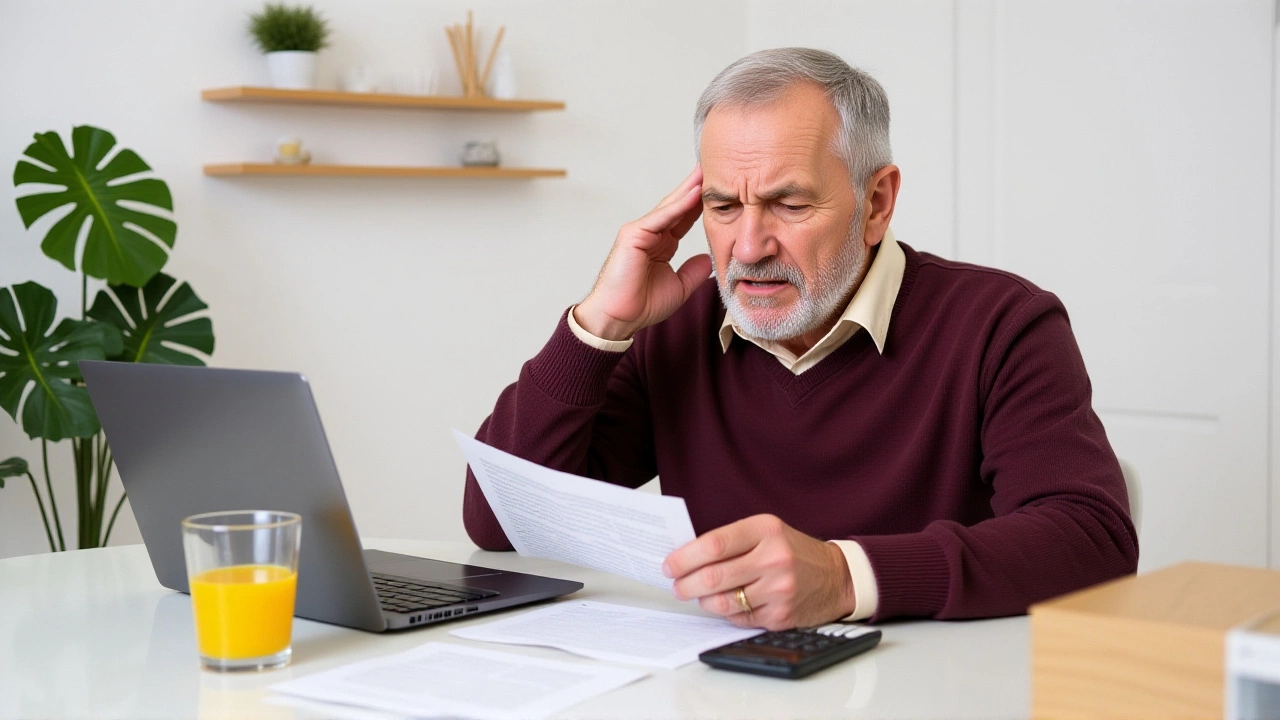
Millions of British retirees are owed money. It turns out Her Majesty’s Revenue and Customs (HMRC) systematically overcharged income tax on pensioners during the 2023–24 tax year. The blunder happened because the tax authority failed to update its systems for the annual rise in the UK State Pension, leaving up to 8.7 million people paying more than they should have.
The news broke on June 17, 2024, when major outlets like The Times and The Daily Telegraph revealed the scale of the error. While the average overcharge per person is small—around £5—the sheer number of affected individuals means tens of millions of pounds were wrongly collected from taxpayers across the United Kingdom.
The Mechanics of the Mistake
Here’s the thing: it wasn’t a complex fraud or a malicious policy shift. It was a glitch in the gears. HMRC’s Pay As You Earn (PAYE) system calculates how much tax you owe based on your total income. For many pensioners, this includes their state pension plus private pensions or savings interest.
The problem stems from the “triple lock” guarantee. This policy ensures the state pension rises each April by the highest of three measures: average earnings growth, inflation (CPI), or 2.5%. In April 2023, the pension went up. But HMRC’s coding notices didn’t always reflect this increase accurately for those with other taxable income.
Because the system assumed a lower state pension amount, it taxed a larger portion of the pensioner’s *other* income at higher rates. Essentially, the computer thought they had less tax-free allowance available than they actually did. It’s a classic case of outdated data meeting rigid algorithms.
Who Knew What?
The twist is that this might not have been an accidental oversight. The Times reported that HMRC was “knowingly” allowing these overcharges to continue. That’s a heavy accusation for a government body tasked with protecting taxpayer rights.
Political scrutiny has intensified since the Labour Party took power in July 2024. Reports suggest the party was aware of the issue while in opposition. Whether this knowledge translates into immediate action or just political posturing remains to be seen, but the pressure is now squarely on the new administration to fix the mess left behind.
The Human Cost
£5 doesn’t sound like much. But for someone living on a fixed income, every pound counts. Imagine receiving your monthly pension statement, seeing a slightly lower figure than expected, and having no idea why. For millions, this confusion lasted nearly a full year.
“It’s not just about the money,” says one pension advocate who spoke to reporters. “It’s about trust. When the system fails you repeatedly, you stop believing it will ever get it right.”
The impact isn’t evenly distributed either. Those most affected are pensioners who receive both a state pension and additional taxable income—like occupational pensions or rental profits. If you only rely on the state pension, you likely weren’t impacted. But if you’ve got multiple streams, you’re probably in the net.
What Happens Next?
So, what do you do? First, check your P2 coding notice. If it looks off, don’t panic. Contact HMRC directly via their helpline at 0300 200 3300 or through your online personal tax account. They can recalculate your code and issue a refund if applicable.
Expect delays. Bureaucracy moves slowly, especially when dealing with millions of cases. But the good news is that refunds usually come with interest. So while you wait, your money is technically working harder for you.
In the broader sense, this incident highlights a growing vulnerability in digital governance. As we rely more on automated systems, the margin for error shrinks—but so does our ability to catch mistakes before they cascade. We need better safeguards, clearer communication, and faster corrections.
Frequently Asked Questions
How do I know if I was overcharged?
Check your P2 coding notice from HMRC. If it lists a lower state pension amount than you actually received in 2023–24, you may have been overcharged. Compare this with your actual bank statements and private pension records. If there’s a discrepancy, contact HMRC to request a review.
Will HMRC automatically send me a refund?
Not necessarily. HMRC typically requires individuals to initiate the process by contacting them. However, some large-scale errors trigger automatic adjustments. To be safe, assume you need to act. Call 0300 200 3300 or log into your personal tax account to start the claim.
Why did this happen under the triple lock?
The triple lock guarantees a pension rise, but HMRC’s tax codes didn’t always sync with this change. The system used outdated assumptions about state pension amounts, leading to incorrect calculations for other income sources. It’s a technical failure, not a policy one.
Is the Labour Party responsible for fixing this?
As the current governing party, yes. While the error occurred under previous administrations, the responsibility for resolution lies with today’s ministers. Expect increased parliamentary questions and potential reforms to prevent future occurrences.
How long will the refund process take?
Processing times vary. Simple cases might resolve in weeks; complex ones could take months. Given the volume of claims, expect delays. Keep records of all communications with HMRC to expedite resolution if issues arise.