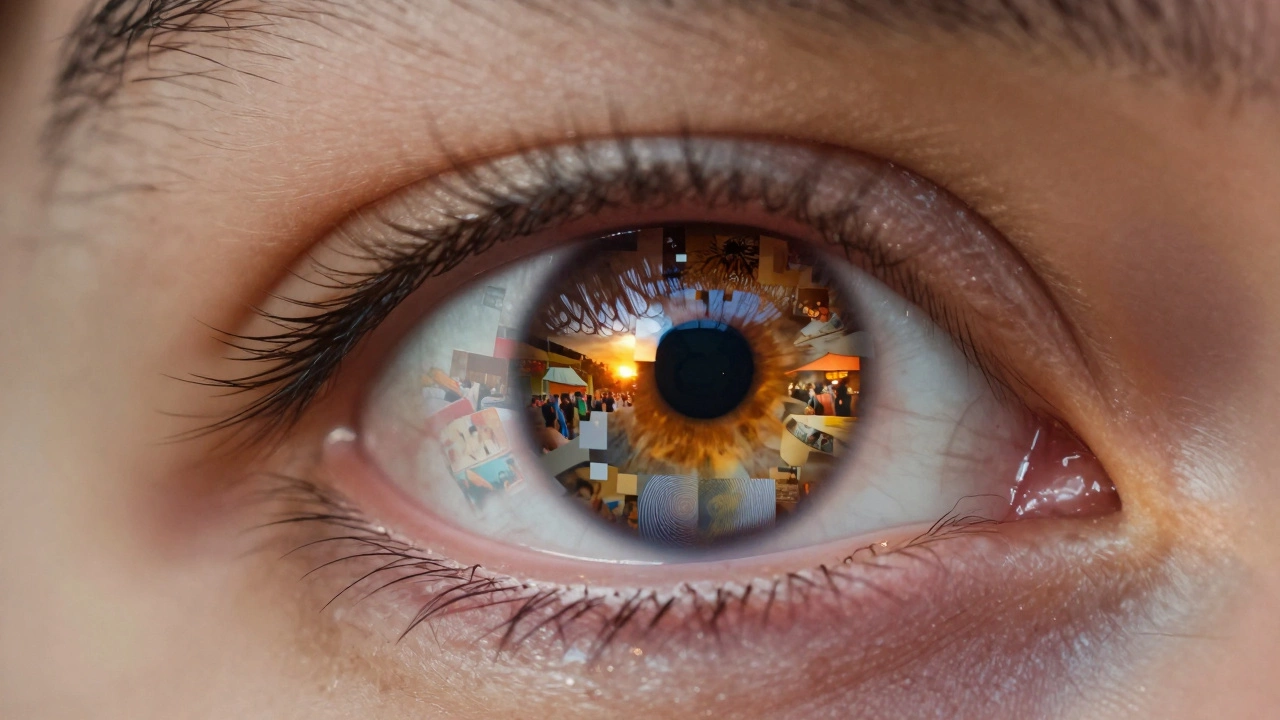
Viewing isn’t just about opening your eyes. It’s the active, often unconscious process your brain uses to make sense of what’s in front of you. You don’t just see a street, a face, or a screen-you interpret it. Your brain filters out noise, fills in gaps, and assigns meaning based on memory, emotion, and context. This is viewing: not passive reception, but dynamic construction.
Think of it like listening to music through a bad speaker. You hear the melody, but you’re missing the bass, the harmony, the emotion. Viewing works the same way. Your eyes capture light, but your brain does the real work. That’s why two people can look at the same scene and walk away with completely different stories. One sees a crowded market; another sees a chance to steal a wallet. One sees a sunset; another sees a reminder of a lost loved one. This is why viewing is personal, shaped by culture, experience, and even mood.
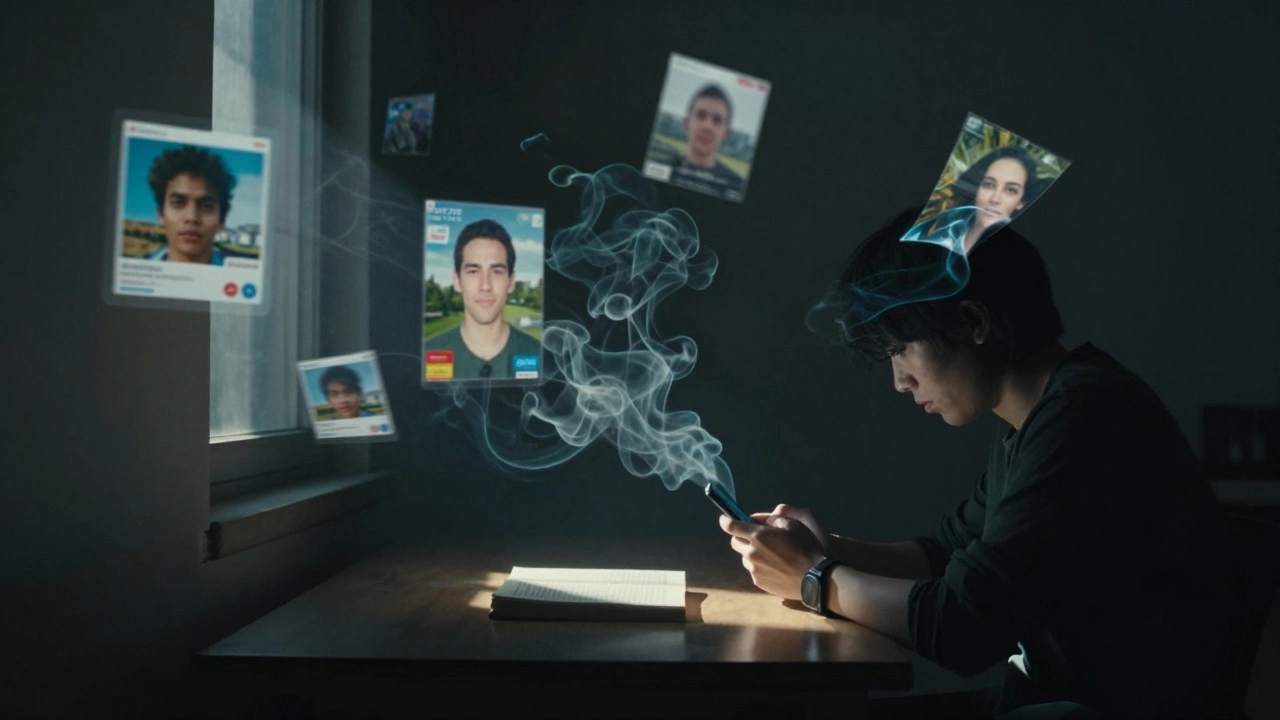
When you scroll through social media, you’re not just viewing photos-you’re scanning for validation, connection, or distraction. Studies from the University of California show that the average person spends over four hours a day viewing digital content. But most of that time isn’t deep observation. It’s rapid flickering-glancing at thumbnails, skipping headlines, reacting to colors and faces. Your brain is trained to jump, not linger. This is modern viewing: fast, fragmented, and often shallow.
How Your Brain Turns Light Into Meaning
Your eyes are not cameras. They’re sensors that send raw data to your visual cortex. That data-light, color, motion-is then processed in stages. First, edges are detected. Then shapes. Then objects. Finally, context kicks in. A red shape in a kitchen? Likely a cup. That same red shape on a highway? Probably a stop sign. Your brain doesn’t wait for perfect input. It guesses. And those guesses are influenced by everything you’ve ever seen before.
This is why optical illusions work. The famous Müller-Lyer lines look different in length even though they’re identical. Your brain uses surrounding cues to judge distance and depth, and it gets tricked. Viewing isn’t about accuracy-it’s about efficiency. Your brain saves energy by assuming the world works the way it always has. That’s useful most of the time. But it also leads to mistakes, biases, and misinterpretations.
Consider how advertising uses this. A brand doesn’t just show a product. It shows it next to smiling people, soft lighting, and open spaces. Your brain connects those elements and assumes: this product brings happiness. That’s not logic. That’s viewing in action.
Viewing in Different Contexts
Viewing changes depending on where you are and what you’re doing. Watching a movie in a theater is different from watching it on your phone at 2 a.m. The screen size, the sound, the silence, even your posture-all affect how you process what you see. In a theater, you’re immersed. On your phone, you’re multitasking. Your brain is half-present.
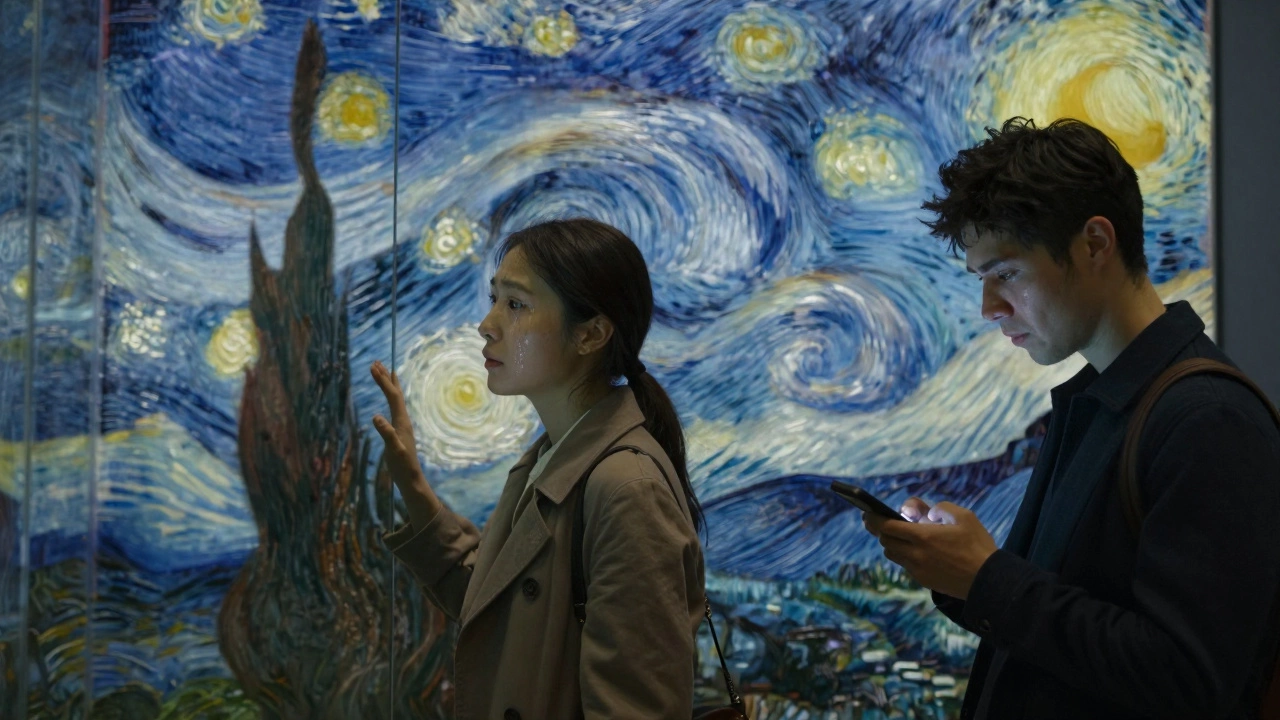
Same goes for art. Standing in front of a Van Gogh painting in a museum, you feel the texture, the brushstrokes, the weight of time. Viewing it on a website? You might zoom in once, then move on. The emotional impact drops by 70%, according to a 2023 study by the Getty Museum. Physical presence changes viewing. So does intention.
Some people view to learn. Others view to escape. Some view to judge. And some view to find something they can’t name yet. That’s why online marketplaces, dating apps, and even escort services rely so heavily on curated viewing. An euro escort dubai profile isn’t just a photo-it’s a carefully constructed visual narrative designed to trigger desire, trust, or curiosity. The viewer doesn’t see a person. They see a fantasy built from lighting, angle, and clothing.
Why Viewing Is Manipulated-And How to Notice
Every image you see online has been edited, filtered, or staged. Photos in magazines are retouched. Videos are trimmed to create drama. Even real-time feeds are algorithmically sorted to keep you scrolling. This isn’t a flaw-it’s the design. Viewing has become a tool for control.
Take influencers. They don’t post random moments. They post moments that look real but are perfectly framed. A coffee cup at a window, sunlight hitting their hair, a cat nearby. These aren’t accidents. They’re engineered to trigger a response: “I want this life.” Your brain sees the scene and assumes it’s authentic. It’s not. It’s viewing theater.
Even news photos are selected for emotional impact. A crying child, a burning building, a lone protester. These images aren’t chosen because they’re representative. They’re chosen because they’re memorable. They hijack your viewing reflex. That’s why misinformation spreads so fast. A single distorted image can override hours of facts.
The trick to better viewing is slowing down. Ask yourself: Why was this image shown this way? What’s missing? Who benefits from me seeing this? These questions don’t make you cynical. They make you aware.
Viewing and Memory: What You See, What You Remember
You don’t remember everything you view. You remember what your brain thinks matters. That’s why you can recall the exact shade of blue in your childhood bedroom but forget the name of the person you met yesterday. Your brain prioritizes emotional weight over accuracy.
Studies show that people remember 80% of what they see and do, compared to just 20% of what they hear. That’s why visual learning works. It’s why infographics beat text. It’s why TikTok dominates attention. Your brain is wired to retain images, not paragraphs.
But memory isn’t a recording. It’s a reconstruction. Every time you recall a visual memory, you alter it slightly. A face becomes clearer. A scene becomes brighter. A moment becomes more dramatic. That’s why two witnesses to the same event often describe it differently. They’re not lying. They’re viewing differently-then remembering differently.
This has real consequences. In courtrooms, eyewitness testimony is notoriously unreliable. In marketing, brands know that a single strong image can shape brand loyalty for years. Viewing doesn’t just influence how you see the world-it shapes how you remember it.
Can You Train Your Viewing?
Yes. Viewing is a skill. And like any skill, it improves with practice.
Start by observing without judgment. Sit in a park. Watch people. Don’t label them. Don’t guess their stories. Just notice: How do they hold their hands? Do they look up or down? How fast do they walk? This is called mindful viewing. It’s not meditation. It’s training your brain to see more than the surface.
Try the “30-Second Rule.” When you see something interesting-a street sign, a painting, a face-force yourself to look at it for 30 seconds without looking away. Most people can’t do it. Their eyes twitch. Their mind races. That’s your brain begging for distraction. Hold on. You’ll start seeing details you never noticed before.
Another trick: reverse your perspective. Look at a photo upside down. Suddenly, you’re not seeing a person-you’re seeing shapes, shadows, lines. Your brain stops labeling and starts observing. Artists do this all the time. So can you.
And if you want to see deeper in digital spaces? Turn off autoplay. Delete social media apps for a weekend. Read a book with no images. Let your brain relearn how to focus. You’ll be surprised what you start noticing.
There’s a reason some people feel overwhelmed by modern life. It’s not the noise. It’s the overload of poorly curated viewing. When everything is designed to grab attention, nothing holds it. Training your viewing isn’t about becoming a detective. It’s about reclaiming your attention.
The Future of Viewing
Augmented reality is changing how we view the world. Glasses that overlay directions, labels, or translations onto real-life scenes are already here. Soon, your view of a restaurant won’t just show the menu-it’ll show reviews, nutritional info, and even the chef’s bio. Your eyes will become interfaces.
But here’s the catch: the more your viewing is mediated by technology, the less you control it. Algorithms will decide what you see next. Filters will adjust your reality. You won’t just be viewing the world-you’ll be viewing a version of it chosen for you.
That’s why the most important skill for the next decade won’t be coding or AI literacy. It’ll be critical viewing. The ability to ask: Is this real? Who made this? What are they trying to make me feel? The tools will change. The need won’t.
And if you’re ever tempted to click on a photo of an euro girls dubai profile because it looks perfect? Pause. Ask yourself: What am I really looking for? The image? Or the feeling it promises?
Viewing is powerful. It shapes your choices, your memories, your desires. It’s not just what you see. It’s what you believe you see. And that’s the difference between passively consuming the world-and truly seeing it.
Some people think viewing is simple. It’s not. It’s the most complex thing your brain does every waking second. And it’s the one skill no one ever taught you-until now.
Next time you look at something, don’t just see it. See through it.
And if you ever find yourself scrolling through a website filled with images of an escort girl dubai, remember: the image is just a reflection. What you’re really seeing is your own longing.